



Memory & Learning
Deep sleep strengthens new memories; REM connects ideas for creativity.

Physical Recovery
Growth hormone peaks during deep sleep — rebuilding muscles and tissues.

Heart Health
Regular sleep lowers blood pressure and inflammation.

Metabolism
Sleep balances hunger hormones (leptin & ghrelin), reducing cravings.

Emotional Balance
Sleep recalibrates your amygdala — less anxiety, more calm.

Immunity
A single night of short sleep can weaken immune response by up to 70%.

Longevity
Consistent 7–9 hours is one of the strongest predictors of lifespan.

Creativity & Focus
REM sleep boosts problem-solving and insight.
WHAT HAPPENS WHEN YOU SLEEP
NREM (Non-Rapid Eye Movement):
- Clears toxins from the brain.
- Strengthens factual memory and motor skills.
- Calms the nervous system.
REM (Rapid Eye Movement):
- Processes emotions.
- Builds creativity and complex associations.
- Restores mental balance.

THE IDEAL SLEEP ROUTINE
6:00–8:00 PM: Finish dinner. Avoid heavy food and alcohol.
8:30 PM: Dim lights. Limit screens or use warm color filters.
9:30 PM: Wind down — take a warm shower, read, stretch, or meditate.
10:00 PM: Bedroom cool (~65°F / 18°C), dark, quiet. No bright lights, no phone.
10:30 PM: Sleep. Your first deep sleep cycle is the most restorative.
EVENING RITUAL — “60–30–0 RULE

60 minutes before bed turn off work, emails, and tasks. Let the mind slow down.

30 minutes before bed dim lights, use only warm lighting, take a shower or read.

0 minutes before bed no screens, no phone — let your brain shift into deep rest mode.
LIGHT, TEMPERATURE & ENVIRONMENT

LIGHT
Morning sunlight starts your 24h rhythm. Avoid bright light at night — it tricks your brain into “daytime.”

TEMPERATURE
Ideal bedroom temp = 65°F / 18°C. A cool room signals your body it’s time to sleep.
NOISE
Try white noise, ocean sounds, or earplugs if needed.
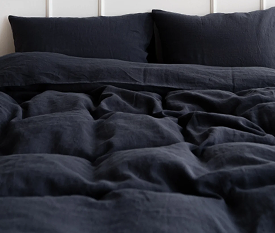
bed & textiles
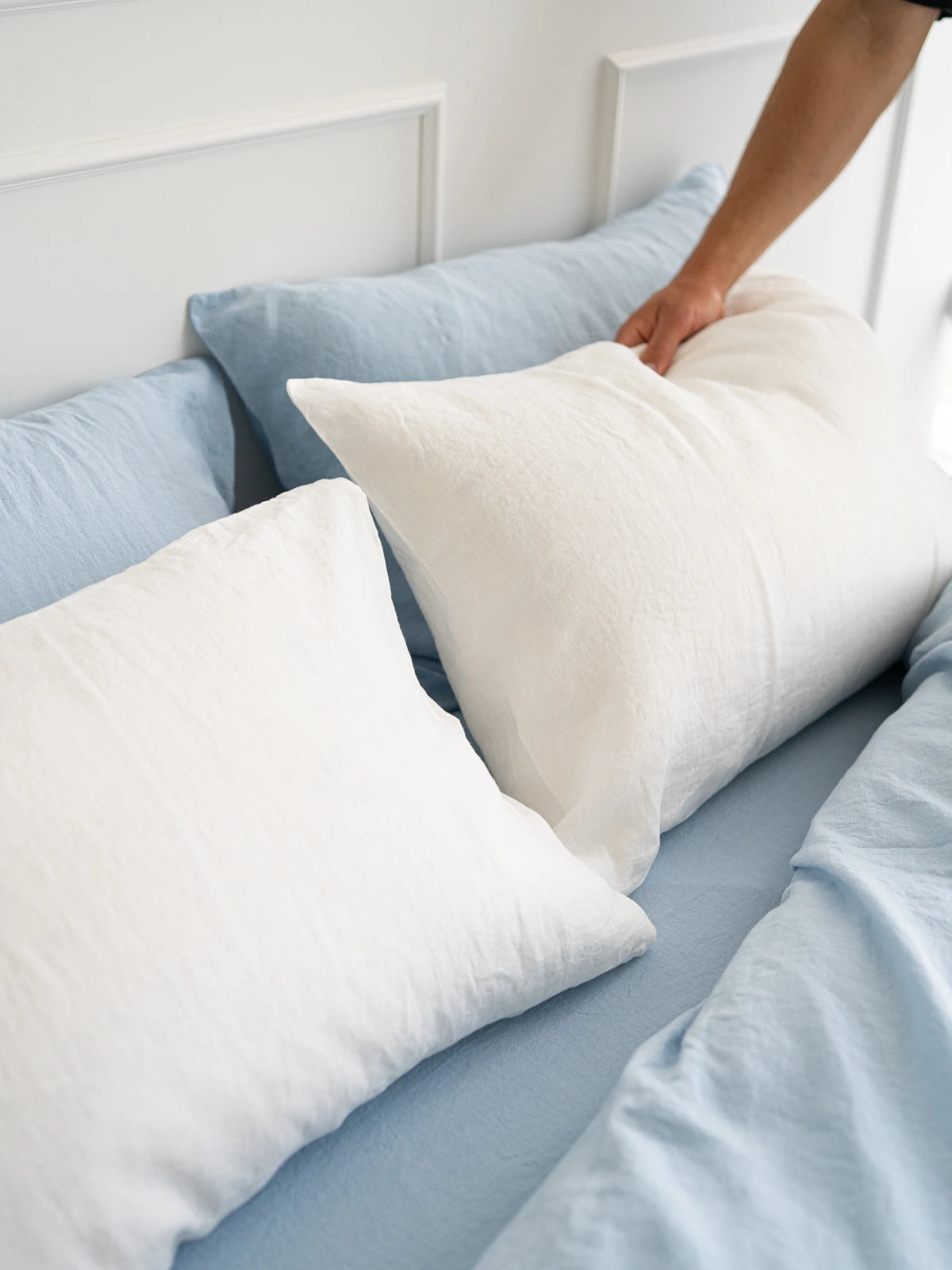
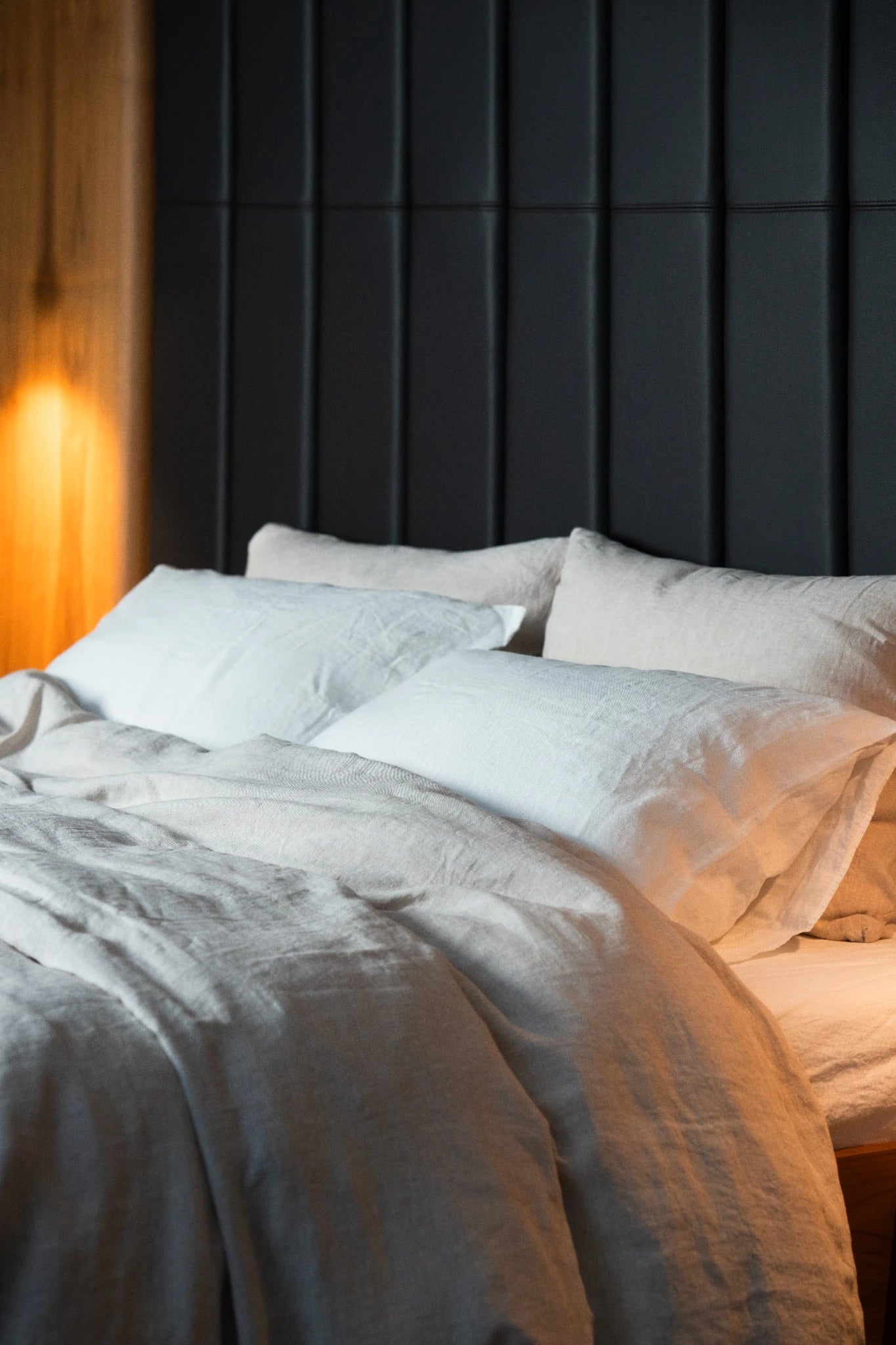
Breathable fabrics like stone-washed linen help regulate body temperature naturally.
Nommar linen bedding keeps you cool in summer, warm in winter — supporting your body’s sleep rhythm.


NAPS & RECOVERY
- Ideal nap: 20–30 minutes, early afternoon.
- Avoid naps after 4 PM — they reduce nighttime sleep pressure.
- Longer naps (60–90 min) may include REM, good if you’re sleep-deprived.
- Never feel guilty for resting — it’s part of your biological design.


DAILY HABITS THAT IMPROVE SLEEP
Get morning sunlight — 10–20 min of daylight resets your circadian rhythm.
Avoid caffeine after 2 PM — It blocks adenosine, your sleep pressure chemical.
Exercise regularly — Morning or afternoon workouts deepen sleep quality.
Keep a consistent schedule — Same bedtime & wake time, even weekends.
Eat earlier, lighter dinners — Digestion interferes with deep sleep.
Don’t hit snooze — It fragments sleep and confuses your body clock.
Limit alcohol — It sedates but prevents true REM sleep.
Write down thoughts before bed — Clears mental clutter.
COMMON MYTHS
Fact: Sleep debt can’t be fully “repaid” —
consistency matters more.
Fact: It knocks you out but blocks REM, leading to poor recovery.
Fact: After 16h awake, performance drops as if you’re legally drunk.
Fact: Most adults thrive on 7–9, but the key is how you feel naturally.